By John Connor
June 9, 2026
Owning a home requires constant vigilance to maintain its structure and preserve safety. Many structural components demand regular attention, but the masonry stack venting smoke from the fireplace goes unnoticed by residents. People assume these massive brick structures are invincible against harsh outdoor elements. However, significant vulnerabilities exist out of plain sight. Ignoring these potential issues leads to extensive degradation. Proper maintenance remains essential for safety.
Regular inspections catch minor flaws before they escalate into major hazards. Homeowners neglecting this crucial exterior feature face severe consequences, including dangerous fire hazards and complete structural collapse. Understanding the specific threats facing these structures empowers residents to take preventative action. When issues arise, scheduling local chimney repairs ensures skilled professionals address the underlying problems. Awareness of hidden dangers saves money and preserves the architectural integrity of the home.
1. Overlooking Moisture: The Gradual Deterioration of Masonry
Water represents the most destructive element to brick and mortar structures. Porous building materials absorb rainwater, snowmelt, and ambient humidity. When temperatures drop below freezing, trapped moisture expands within the masonry, causing microscopic cracks to widen. This freeze-thaw cycle destroys the internal integrity of the bricks. Over successive seasons, the exterior surface flakes and crumbles in a destructive process called spalling, weakening the overall framework.
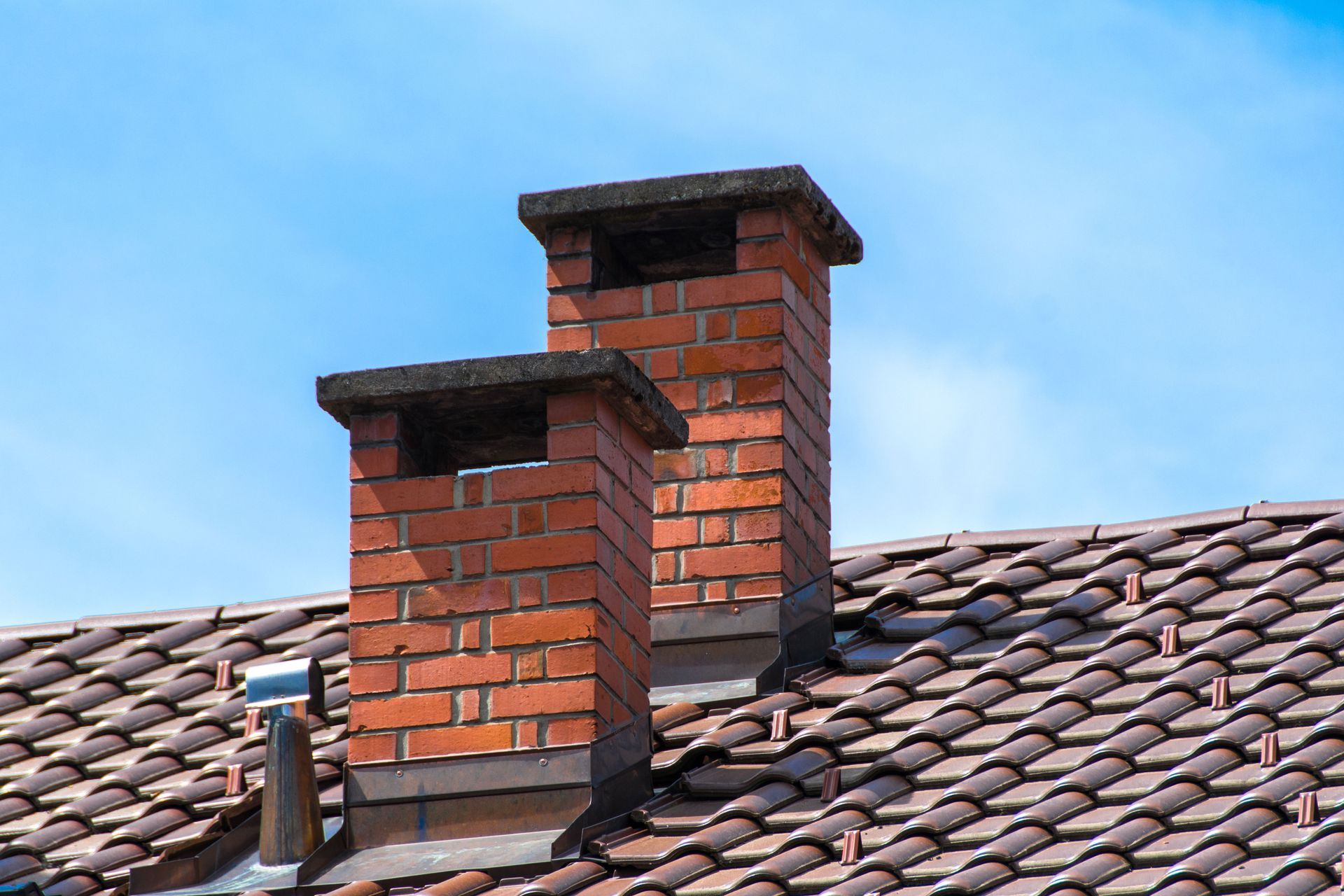
A faulty crown allows precipitation to seep into the interior flue. The concrete crown serves as the primary defense, sealing the top of the masonry from rain. Cracks in this vital component channel water down into the interior walls. Defective metal flashing around the roofline also provides a common entry point for rain. These compromised seals result in brown water stains appearing on interior ceilings and adjacent walls.
Waterproofing treatments provide a viable defense against moisture penetration. Applying a breathable, water-repellent coating prevents absorption while allowing interior vapors to escape the masonry. Ignoring this preventative measure leaves the exterior vulnerable to harsh weather. According to HomeGuide, a new chimney can last for 50 to 100+ years if properly maintained, which makes it a long-term investment. Protecting the structure from water damage ensures it reaches this maximum lifespan.
Structural instability follows prolonged moisture exposure. As critical mortar joints dissolve and wash away, the entire stack begins to lean or shift. Left unaddressed, the risk of a complete collapse increases with each passing storm. Contacting masonry experts for local chimney repairs mitigates these risks before a disaster strikes. Replacing damaged bricks and sealing exterior entry points restores the structural integrity of the home's exhaust system.
2. Overlooking Vegetation: The Silent Invasion of Roots
Vines and climbing plants add a rustic aesthetic to exterior walls. English ivy and similar species seek out crevices to anchor their creeping growth. While beautiful, these plants inflict severe damage on aging mortar joints. The tiny rootlets penetrate microscopic fractures in the masonry. As the climbing plants grow, their root systems expand and force the solid bricks apart, compromising the stability of the vertical structure.
Plant growth traps excess moisture against the exterior brick surface. Thick green foliage prevents sunlight and wind from drying the masonry after a heavy rainstorm. This constant dampness accelerates the deterioration of both brick and mortar components. The shaded environment also promotes the rapid growth of moss and green algae. These natural organisms secrete mild acids that further break down structural materials over prolonged periods.
Removing established vines requires extreme care to avoid pulling loose bricks from the wall. Tearing thick vines away from the exterior surface damages weakened mortar. Applying specialized organic herbicides kills the deep root systems without causing mechanical damage. Once the vegetation dies, skilled technicians performing local chimney repairs replace the missing mortar. This repointing process strengthens the brick wall against future biological intrusions.
Homeowners must maintain a clear zone around the roofline and exterior exhaust structures. Trimming overhanging tree branches prevents mechanical damage from scraping limbs rubbing against the bricks. A generous buffer zone discourages nesting pests from using low branches as a bridge to the roof. Maintaining this clearance preserves the masonry and reduces future maintenance requirements. Simple landscaping choices prevent expensive and extensive structural rehabilitation projects.
3. Overlooking Creosote: The Hidden Danger of Buildup
Burning wood produces a complex mixture of exhaust gases and fine particulate matter. As smoke rises through the cold flue, rapid condensation occurs on the interior walls. This physical process deposits a dark, combustible substance known as creosote. Different stages of creosote accumulation present varying levels of danger to the home. The earliest stage appears as a flaky soot, while later stages harden into a thick glaze.
The primary threat of creosote buildup involves extreme structural fire hazards. This hazardous substance ignites at low temperatures, sparking intense fires inside the masonry. These confined fires reach blazing temperatures, melting internal metal liners and shattering clay structural tiles. Residents scheduling local chimney repairs mitigate this risk through comprehensive sweeping services. Removing the flammable deposits eliminates the fuel source for these devastating and destructive fires.
Restricted airflow represents another serious consequence of thick internal creosote deposits. As the inner diameter of the flue narrows, hot smoke cannot escape the home with ease. This dangerous blockage forces toxic gases, including lethal carbon monoxide, back into the interior living areas. A sluggish draft makes lighting fires difficult and results in a smoky interior environment. Maintaining a clear passageway guarantees proper ventilation and safe fireplace operation.
The type of fuel burned impacts the rate of creosote accumulation. Unseasoned, wet wood produces cooler smoke and higher levels of internal condensation. Burning dry, seasoned hardwoods minimizes the dangerous production of these thick chemical deposits. Routine interior sweeping combined with smart fuel choices keeps the interior liner clean and functional. Proactive maintenance protects both the masonry structure and the human occupants from hidden residential dangers.
4. Overlooking Foundation Settling: The Structural Threat of Shifts
The physical weight of a masonry exhaust structure requires a strong concrete footing. Soil conditions underneath this footing change due to extreme weather and surface drainage issues. Excessive rainfall causes the earth to swell, while extreme droughts cause the soil to shrink and compact. This continuous ground movement destabilizes the earth supporting the massive weight above. Uneven settling compromises the vertical alignment of the entire masonry stack.
A leaning structure indicates significant foundational failure beneath the ground. The visible gap between the exterior siding and the masonry highlights this dangerous outward shift. This structural separation exposes the home interior to damaging water intrusion and destructive pest infestations. Furthermore, the immense structural imbalance places undue stress on the wooden framing of the house. Addressing the root cause of the settling prevents a catastrophic residential failure.
The inner flue lining suffers immense physical damage during a foundation shift. The rigid interior clay tiles crack and break as the heavy exterior shell moves. These internal structural fractures allow intense heat and combustible gases to escape into the attic or wooden wall cavities. Prompt local chimney repairs address both the structural lean and the compromised internal lining. Specialists install flexible metal liners to restore safe internal venting.
Preventing severe foundational issues requires proper surface drainage away from the base of the structure. Exterior gutters and downspouts must direct heavy rainwater far from the concrete footing. Grading the surrounding soil to slope away from the house ensures surface water does not pool near the base. Correcting these external environmental factors preserves the stability of the underlying soil. A solid foundation guarantees the massive masonry stack remains upright.
Safeguarding a home requires constant attention to these vital external masonry structures. Homeowners must recognize the destructive potential of moisture, invasive vegetation, internal creosote, and unseen foundational shifts. Proactive routine inspections reveal these silent structural threats before they cause irreversible physical damage. When problems surface, seeking local chimney repairs guarantees professional restoration. Prioritizing these essential maintenance tasks preserves the absolute safety and overall financial value of the property. If you spot any signs of masonry damage or structural shifting, contact MasonryKing Foundation Waterproofing & Construction today. Our skilled professionals provide thorough local chimney repairs to restore the safety and integrity of your home.