By John Connor
April 22, 2026
A chimney is constantly exposed to heat, moisture, wind, and seasonal temperature shifts, which makes it one of the most vulnerable exterior structures on a home. When damage develops, it often progresses quietly before becoming visibly severe. Recognizing early warning indicators can help prevent escalating structural issues and reduce the risk of interior damage or unsafe venting conditions.
In many cases, scheduling professional chimney repair services as soon as concerns appear is the most effective way to limit long-term deterioration. Below are key warning signs that indicate your chimney may require immediate attention from qualified chimney repair services.
1. Observing Exterior Masonry Deterioration
One of the most visible signs of chimney trouble is a breakdown in the brickwork or stone surface. This may appear as crumbling mortar joints, gaps between bricks, or sections of masonry that appear to be flaking or breaking apart. These conditions often indicate prolonged exposure to moisture and freeze-thaw cycles, which gradually weaken structural integrity.
White staining on the exterior surface can also signal water movement through the masonry, suggesting that moisture is entering where it should not. Once water intrusion begins, deterioration tends to accelerate. At this stage, professional chimney repair services are typically required to assess the full extent of damage and prevent further breakdown.
Seasonal expansion and contraction can worsen existing weaknesses in masonry, especially in regions with fluctuating temperatures. Over time, even small surface cracks can widen, allowing more moisture to penetrate deeper layers of the structure. In advanced cases, bricks may begin to loosen entirely, creating visible gaps that compromise stability and safety.
2. Detecting Structural Shifting or Movement
A chimney should remain vertically aligned and firmly connected to the home structure. Any visible leaning, separation from the house, or unusual gaps forming between the chimney and siding may indicate a deeper structural issue. These symptoms can develop from foundation settling, long-term moisture damage, or deterioration of internal masonry bonds.
Even slight shifts should not be overlooked, as they may signal instability that can worsen over time. Prompt evaluation through chimney repair services helps determine whether localized repair or more extensive rebuilding is required.
Structural movement can also place uneven stress on connected roofing and flashing systems, increasing the likelihood of additional water entry points forming around the chimney base. In some situations, doors and windows nearby may begin to stick or misalign due to subtle structural changes.
3. Identifying Moisture Intrusion and Interior Staining
Water penetration is one of the most common causes of chimney damage. Signs often include damp patches on walls or ceilings near the fireplace, staining inside the firebox, or musty odors that persist after rainfall. Moisture may enter through cracks in the chimney crown, damaged flashing, or compromised masonry joints.
If left unaddressed, water intrusion can lead to interior material damage and ongoing structural weakening. Professional chimney repair services focus on identifying the entry points of moisture and addressing the underlying causes rather than only the visible symptoms.
Extended moisture exposure can also contribute to hidden microbial growth within enclosed spaces, especially when airflow is restricted and damp conditions persist over time. Over time, insulation materials around the chimney area may also lose effectiveness due to saturation.
4. Recognizing Smoke or Drafting Irregularities
A properly functioning chimney should allow smoke and gases to exit the home efficiently. If smoke begins to enter indoor spaces, lingers excessively, or drafts behave unpredictably, this may indicate blockages, internal damage, or restricted airflow within the chimney system.
These issues can stem from deteriorated flue components, debris buildup, or structural misalignment. Because venting performance directly affects indoor air conditions, immediate assessment through chimney repair services is recommended when these symptoms appear.
In some cases, poor drafting can also signal pressure imbalances within the home, which may worsen during high wind conditions or when other ventilation systems are operating simultaneously. This can create inconsistent fireplace performance that becomes more noticeable during colder months.
5. Noticing Rust or Corrosion on Chimney Components
Metal elements within a chimney system, such as dampers or caps, can begin to rust when exposed to persistent moisture. Corrosion is a strong indicator that water is entering areas it should not, often pointing to cracks or sealing failures in the chimney structure.
Rust development should be taken seriously because it often signals a broader moisture problem affecting multiple parts of the system. Qualified chimney repair services are typically needed to trace the source of the moisture and prevent ongoing internal degradation.
High humidity levels and repeated condensation cycles can accelerate corrosion, especially when ventilation is inconsistent or protective barriers have weakened. Over time, rusted components may lose functionality entirely, reducing the efficiency of the chimney system.
6. Observing Crown or Cap Damage at the Chimney Top
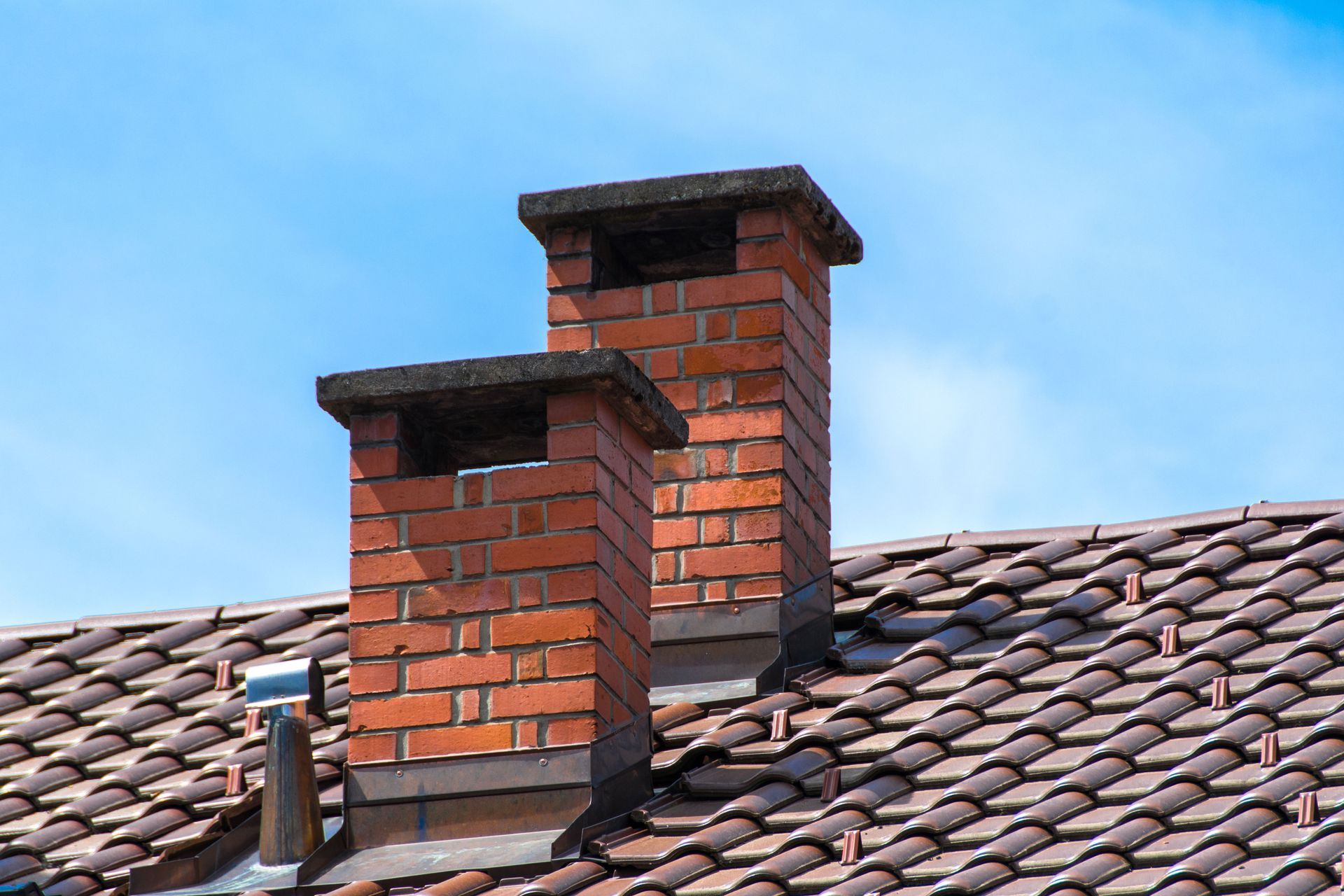
The chimney crown serves as a protective barrier against rain and snow. When cracks, erosion, or missing sections appear at the top of the chimney, water can enter directly into the structure. This type of damage often leads to rapid internal deterioration because moisture spreads downward through masonry layers.
Similarly, a missing or compromised cap can expose the chimney to debris and wildlife intrusion, which can further restrict airflow. At this stage, timely intervention from chimney repair services is important to restore protective function and limit further exposure.
Long-term exposure to ultraviolet rays and harsh weather conditions can weaken the crown surface, making it more susceptible to cracking and surface separation. Small fractures may expand quickly after heavy rainfall or freeze cycles.
7. Seeing Interior Wall or Ceiling Damage Near the Chimney
Interior staining, peeling paint, or bubbling surfaces near the chimney area often indicate long-standing moisture intrusion. These symptoms typically suggest that water has already passed through exterior masonry and is affecting interior building materials.
Because internal damage is usually a secondary sign of a more advanced issue, professional evaluation through chimney repair services is necessary to identify the origin and scope of the problem before repairs can be completed.
Hidden leaks may progress slowly behind walls or ceiling structures, remaining unnoticed until visible discoloration or material distortion appears on interior surfaces. In some cases, drywall may begin to soften or warp if exposure continues.
8. Understanding When Repairs Become Urgent
Chimney damage rarely occurs in isolation. Small cracks can expand into larger structural weaknesses, and minor leaks can evolve into widespread moisture infiltration. Once multiple warning signs appear together, such as masonry deterioration combined with interior staining or drafting issues, the situation typically requires immediate attention.
In many cases, delaying action increases both complexity and repair scope. According to HomeGuide, chimney rebuilding is worth considering when repair costs reach 50% or more of the cost of replacement. However, early intervention through chimney repair services helps stabilize the structure and prevent more extensive damage from developing over time.
Compounding damage can also affect surrounding building systems, leading to broader repair needs that extend beyond the chimney itself. Continued exposure can accelerate the deterioration of adjacent roofing materials as well.
Chimney issues often progress silently, making early identification critical for maintaining structural stability and safe ventilation. Signs such as masonry decay, moisture intrusion, rust formation, and airflow disruption should not be treated as isolated cosmetic concerns. Instead, they often point to underlying system-wide deterioration that requires evaluation. If any of these conditions are present, scheduling professional chimney repair services through MasonryKing Foundation Waterproofing & Construction can help restore structural integrity and prevent further deterioration.